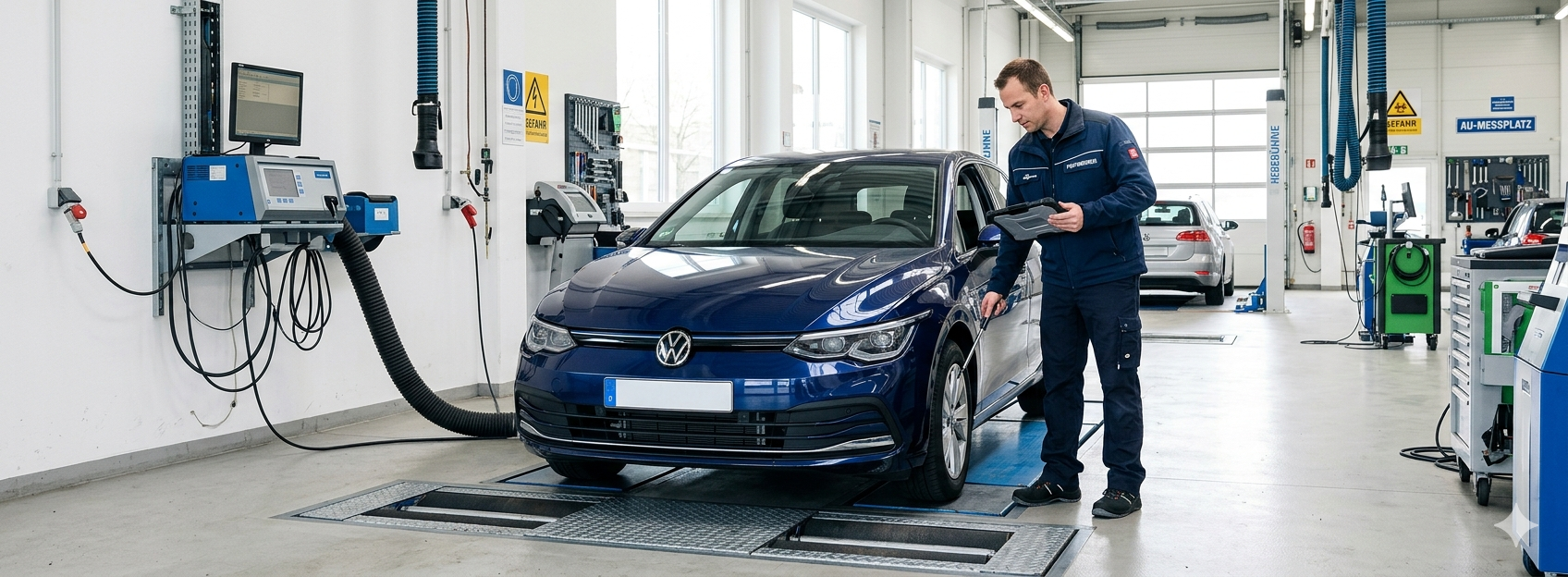
How Often Is TÜV Required in Germany? Inspection Intervals Explained
If you own a vehicle in Germany, knowing when your next TÜV inspection is due is just as important as maintaining the vehicle itself.
Standard interval
24 months
Planning buffer
4-6 weeks
Practical note
Legal vehicle deadlines are easier to manage when the date, certificate, and follow-up actions stay visible in one place.
Every year, thousands of drivers miss inspection deadlines simply because they lose track of the date shown on the TÜV sticker or forget when their last inspection took place.
For private vehicle owners, missing a deadline can lead to fines and additional inspection costs. For businesses and fleet operators, overdue inspections can result in unnecessary downtime and administrative headaches.
This guide explains exactly how often TÜV is required in Germany, how inspection schedules vary between vehicle types, and the best ways to keep track of future inspection dates.
Quick Answer: How Often Is TÜV Required in Germany?
For most passenger cars in Germany:
- The first TÜV inspection is required 3 years after the vehicle's initial registration.
- After that, inspections are required every 2 years.
However, inspection intervals vary depending on the type of vehicle, its intended use, and applicable regulations.
Keep the next vehicle deadline visible without scattered paperwork.
Fahrnex connects reminders, documents, and service history so inspections and maintenance are easier to plan before they become urgent.
Create a free accountWhat Does TÜV Actually Mean?
When Germans say "TÜV," they are usually referring to the mandatory vehicle inspection known as the Hauptuntersuchung (HU).
The inspection itself is legally required under German vehicle regulations and can be carried out by several approved organizations, including:
- TÜV
- DEKRA
- GTÜ
- KÜS
The inspection interval—not the inspection provider—is what determines when your next appointment is due.
For a detailed explanation of the inspection process itself, read our guide to HU and AU inspections in Germany.
Inspection Intervals by Vehicle Type
Not every vehicle follows the same schedule.
The frequency of inspections depends largely on vehicle category and usage.
Passenger Cars (Private Use)
For most privately owned passenger vehicles:
| Vehicle Status | Inspection Interval |
|---|---|
| New vehicle | First inspection after 36 months |
| After first inspection | Every 24 months |
This is the schedule that applies to the majority of drivers in Germany.
Motorcycles
Motorcycles generally require inspection every two years.
Because motorcycles are exposed to weather, road conditions, and seasonal storage, regular inspections help ensure that critical safety components remain in good condition.
Trailers
Trailer inspection intervals depend on:
- Weight
- Registration category
- Intended use
Owners should verify the applicable schedule when registering the trailer.
Commercial Vehicles
Commercial vehicles may be subject to:
- More frequent inspections
- Additional safety inspections
- Special regulatory requirements
The exact interval depends on vehicle classification and usage.
Company Cars
Most company cars follow the same inspection schedule as private passenger vehicles.
The challenge is often not the inspection itself, but keeping track of multiple due dates across an entire fleet.
When Does a New Car Need Its First TÜV?
One of the most common questions among first-time vehicle owners is whether a brand-new car needs immediate inspection.
The answer is no.
For most newly registered passenger cars:
- Registration Year: 2026
- First TÜV Inspection: 2029
After the first inspection, the standard two-year cycle begins.
Example:
| Registration | First TÜV | Second TÜV |
| March 2026 | March 2029 | March 2031 |
| July 2026 | July 2029 | July 2031 |
This gives new vehicle owners a longer initial period before their first mandatory inspection.
How to Read a TÜV Sticker
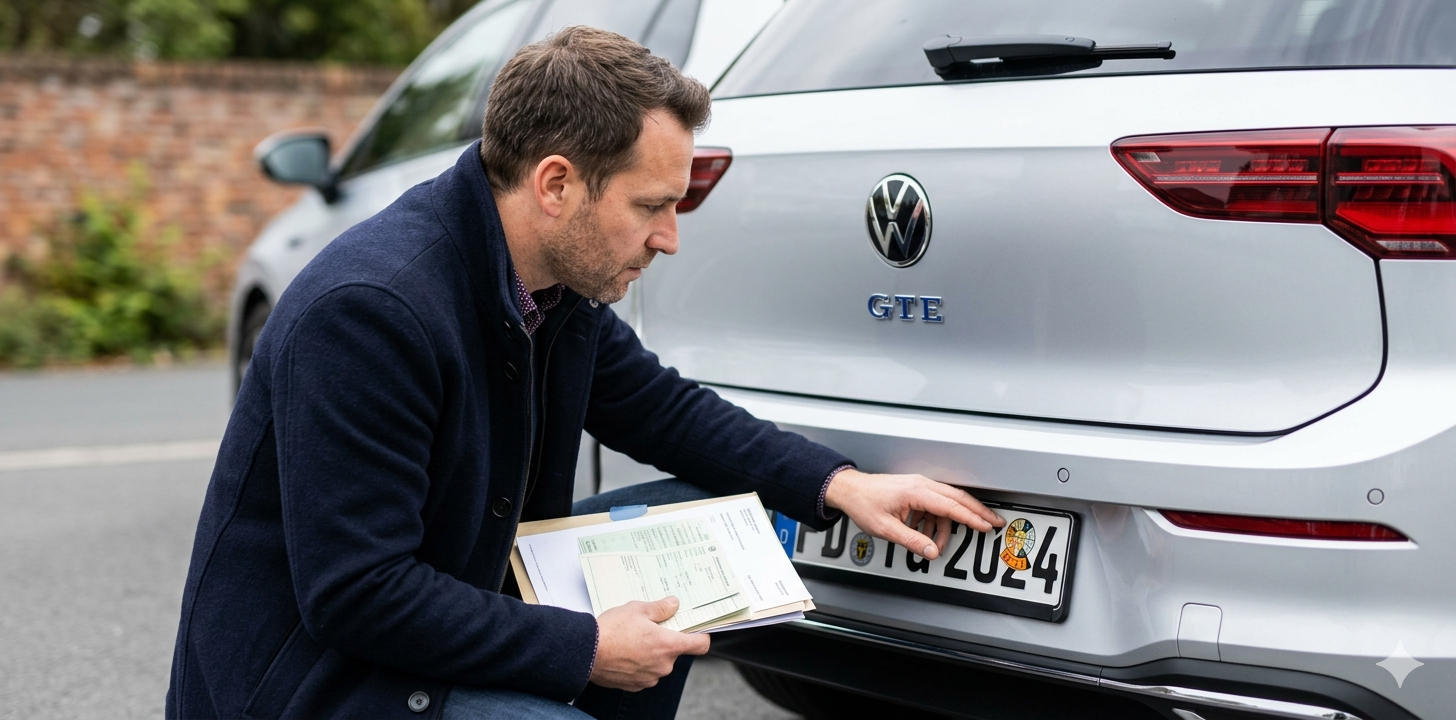
Many drivers don't realize that the inspection due date is displayed directly on the rear license plate.
The TÜV sticker contains:
- Due month
- Due year
- Visual orientation markers
Quick Tip
The number positioned at the top of the sticker represents the month when the next inspection is due.
For example:
If the number "7" appears at the top and the center shows "28", the next inspection is due in July 2028.
Understanding the sticker allows drivers to check their inspection status within seconds.
How to Check Your Next TÜV Date
Besides the sticker, there are several other ways to verify your inspection deadline.
Vehicle Inspection Certificate
After every successful inspection, you receive documentation confirming:
- Inspection date
- Vehicle details
- Next due date
Keep this certificate with your vehicle records.
Vehicle Service Records
Many workshops record inspection information within service histories.
Digital Vehicle Records
Increasingly, vehicle owners rely on digital systems to track:
- TÜV dates
- Maintenance schedules
- Registration documents
- Repair history
This reduces the risk of overlooking important deadlines.
Why Drivers Miss TÜV Deadlines
Missing a TÜV appointment is more common than many people think.
Typical reasons include:
Lost Documents
Inspection reports are misplaced or forgotten.
Multiple Vehicles
Households with several vehicles often struggle to monitor separate deadlines.
Company Fleets
Businesses may have dozens of vehicles with different inspection schedules.
Vehicle Storage
Seasonal vehicles such as motorcycles or campers may remain unused for long periods.
Because the inspection sticker is easy to overlook, many owners benefit from automated reminders.
What Happens If You Miss Your TÜV Date?
Missing the deadline does not immediately make a vehicle unusable.
However, delays can create unnecessary costs and complications.
Possible consequences include:
- Warning fines
- Additional inspection fees
- More extensive inspections for overdue vehicles
- Administrative penalties for significant delays
If your inspection has already expired, read our detailed guide on what happens if TÜV expires in Germany.
How Early Should You Schedule an Inspection?
Waiting until the final week before expiration is risky.
Unexpected issues may require repairs before the vehicle can pass inspection.
A practical approach is to:
- Check the due date 2–3 months in advance.
- Schedule an appointment several weeks before expiry.
- Allow time for any required repairs.
This reduces stress and helps avoid unnecessary delays.
TÜV Tracking for Families and Fleet Managers
Managing a single vehicle is straightforward.
Managing several vehicles is another matter entirely.
Examples include:
- Families with multiple cars
- Company fleets
- Tradespeople
- Delivery businesses
- Vehicle leasing operators
In these situations, inspection dates often become scattered across paperwork, emails, and maintenance records.
Centralized tracking can simplify administration considerably.
Digital TÜV Reminders with Fahrnex
Many drivers still rely on memory or the inspection sticker alone.
A more reliable solution is to store inspection information digitally.
With Fahrnex, vehicle owners can:
- Track upcoming TÜV deadlines
- Store inspection certificates
- Manage maintenance history
- Upload vehicle documents
- Keep records organized across multiple vehicles
This creates a single source of truth for inspection and maintenance planning.
Conclusion
For most passenger cars in Germany, TÜV inspections are required three years after first registration and every two years thereafter.
Although the schedule is straightforward, missed deadlines remain common—especially for households and businesses managing multiple vehicles.
Understanding inspection intervals, reading the TÜV sticker correctly, and using reliable reminder systems can help you stay compliant and avoid unnecessary costs.
With Fahrnex, keeping track of inspection dates, maintenance records, and vehicle documentation becomes significantly easier.
Frequently asked questions
How Often Is TÜV Required in Germany?
Inspection timing depends on the vehicle and its age. This guide explains the typical rhythm and why timing matters.
Does a new car need TÜV immediately?
No. New passenger cars typically receive a three-year period before the first inspection is required.
How can I check my next TÜV date?
You can check the inspection sticker on the rear license plate, review your inspection certificate, or track the date digitally.
What happens if my TÜV is overdue?
Drivers may face fines, additional inspection requirements, and administrative penalties depending on the length of the delay.
Are company cars inspected more frequently?
Most company cars follow the same inspection schedule as private vehicles, although commercial vehicles may have different requirements.
Keep exploring